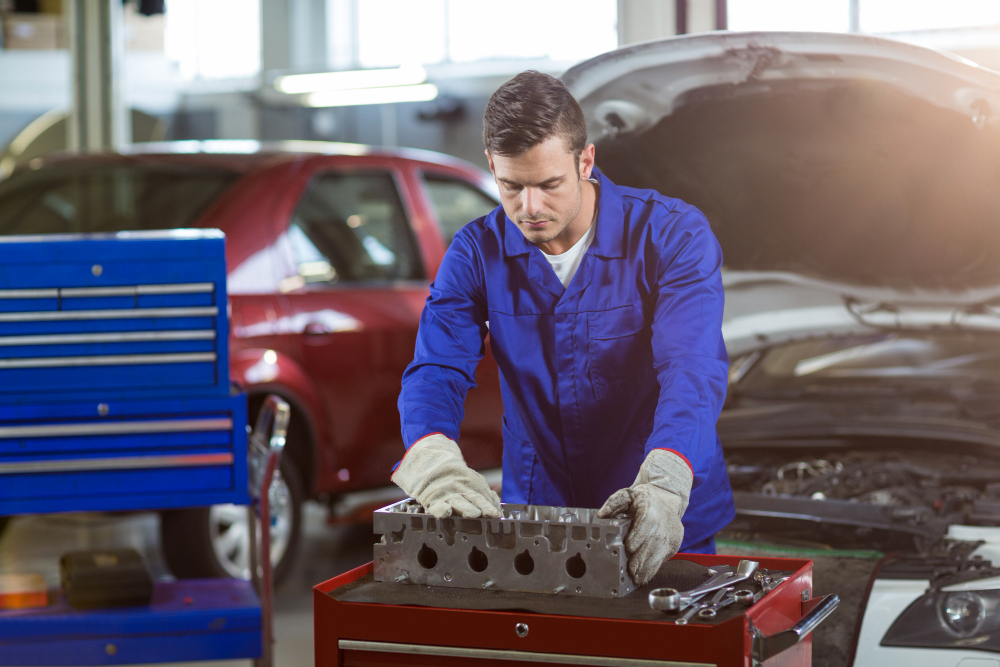
Owning a car comes with routine expenses like fuel, servicing, and minor repairs. However, some car repairs can cost thousands of dollars, leaving owners questioning whether fixing the vehicle is worth it. In some cases, the repair bill is higher than the car’s value, making selling the better financial decision.
This article explores the most expensive car repairs, how they affect your vehicle’s worth, and when it’s smarter to sell instead of repair.
The Most Costly Car Repairs
Some car repairs are minor and manageable, but others come with a hefty price tag. Here are some of the most expensive repairs that might make you rethink keeping your car.
1. Engine Replacement ($4,000 – $10,000+)
The engine is the heart of the car, and when it fails, the repair costs can be astronomical. Engine failure usually occurs due to:
- Overheating caused by coolant leaks or a failed radiator.
- Lack of maintenance, such as infrequent oil changes.
- Blown head gasket, leading to coolant and oil mixing.
When to Repair vs. When to Sell
- Repair if: The car is fairly new and has significant value.
- Sell if: The car is over 10 years old or has additional issues like a failing transmission.
2. Transmission Replacement ($3,000 – $7,000)
Your transmission controls power from the engine to the wheels, making it essential for driving. When a transmission fails, symptoms include:
- Gears slipping or jerking.
- Grinding noises when shifting.
- Delayed acceleration.
Replacing a transmission is one of the costliest car repairs, and in older cars, it’s rarely worth the expense.
When to Repair vs. When to Sell
- Repair if: The car is less than five years old and has no other major mechanical issues.
- Sell if: Your car is over 150,000 km, and you’ve already invested in multiple repairs.
3. Hybrid or Electric Car Battery Replacement ($3,000 – $8,000)
Hybrid and electric vehicles are known for their fuel efficiency, but their battery replacements come at a steep cost. Over time, these batteries lose their ability to hold a charge, requiring replacement.
- Signs of battery failure include reduced mileage, dashboard warnings, and slow acceleration.
- The cost of replacing an EV battery often exceeds the car’s resale value, especially for older models.
When to Repair vs. When to Sell
- Repair if: The car is relatively new, and a battery replacement extends its life.
- Sell if: The car is over eight years old, as battery costs increase with age.
4. Suspension System Repairs ($2,500 – $5,000)
A well-functioning suspension system absorbs shocks from the road and ensures a smooth ride. However, when it fails, repairs can be expensive due to the labour-intensive process.
- Signs of a bad suspension include bumpy rides, excessive bouncing, and uneven tyre wear.
- If a suspension repair is needed alongside other costly repairs, selling may be the better choice.
When to Repair vs. When to Sell
- Repair if: The vehicle is still safe and in good mechanical condition.
- Sell if: The car is old, and replacing the suspension doesn’t significantly improve the vehicle’s value.
5. Head Gasket Replacement ($1,500 – $3,000)
A blown head gasket can lead to engine overheating and severe internal damage. This part is essential for keeping coolant and oil separate. Signs of a failing head gasket include:
- White smoke from the exhaust.
- Milky oil, indicating coolant contamination.
- Constant overheating, even after refilling coolant.
Since head gasket repairs are labour-intensive, they come with a high price tag.
When to Repair vs. When to Sell
- Repair if: The engine is still in good condition, and the car has a high resale value.
- Sell if: The vehicle is already showing signs of engine failure.
6. Air Conditioning System Repair ($1,500 – $4,000)
A functioning air conditioning (AC) system is crucial in Australia’s hot climate. AC system failures often stem from:
- Leaks in the refrigerant system.
- Compressor failure, which can cost thousands to replace.
- Electrical faults causing the AC to malfunction.
Given that AC repairs are expensive, it’s sometimes better to sell the car rather than invest in fixing a non-essential system.
When to Repair vs. When to Sell
- Repair if: The vehicle is relatively new, and AC is essential for comfort.
- Sell if: The car has multiple failing systems, making repairs impractical.
When It’s Better to Sell Your Car Instead of Repairing
Some repairs are manageable, but if your car keeps breaking down, it may be time to move on.
Signs It’s Time to Sell Instead of Repairing
Repair costs exceed 50% of the car’s value.
You’re facing multiple expensive repairs simultaneously.
The car is over 10 years old with high mileage.
The vehicle is no longer safe to drive.
Repair costs are unpredictable, leading to repeated expenses.
Selling Your Car for Scrap Instead of Repairing
If your car is too costly to fix, selling it for scrap is a practical and eco-friendly solution. Many services offer cash for scrap cars Perth, allowing you to get rid of a non-functional vehicle while making some money in the process.
Benefits of scrapping your car:
- Instant cash payout instead of investing in costly repairs.
- Eco-friendly disposal, with parts being recycled.
- Hassle-free process, as most scrap yards handle the paperwork.
If your car is beyond repair, scrapping it may be the smartest financial decision.
Conclusion
While car repairs are inevitable, some repairs are too costly to justify. Major issues like engine failure, transmission problems, or hybrid battery replacements can leave owners spending more than the car’s worth.
Before committing to an expensive repair, weigh the cost against your vehicle’s value. If the numbers don’t add up, selling or scrapping your car may be the best financial decision.
 endlessgoodfood.art.blog
Leave a comment